CHEMICAL BALANCING IN CORAL GABLES
ClingPool provides professional chemical balancing for Coral Gables homeowners and commercial pool operators. Perfectly balanced pool water protects swimmers, equipment, and your pool surface. ClingPool uses pr.
WHY CORAL GABLES POOL OWNERS CHOOSE CLINGPOOL
Pool chemistry is not guesswork, especially in Miami where the combination of intense UV radiation, high bather loads, and warm water temperatures creates constant chemical drift.
Coral Gables is home to some of Miami's most beautiful estate pools, many surrounded by mature tropical landscaping. ClingPool serves Coral Gables pool owners with weekly and biweekly maintenance plans tailored to high-debris environments and luxury pool finishes.
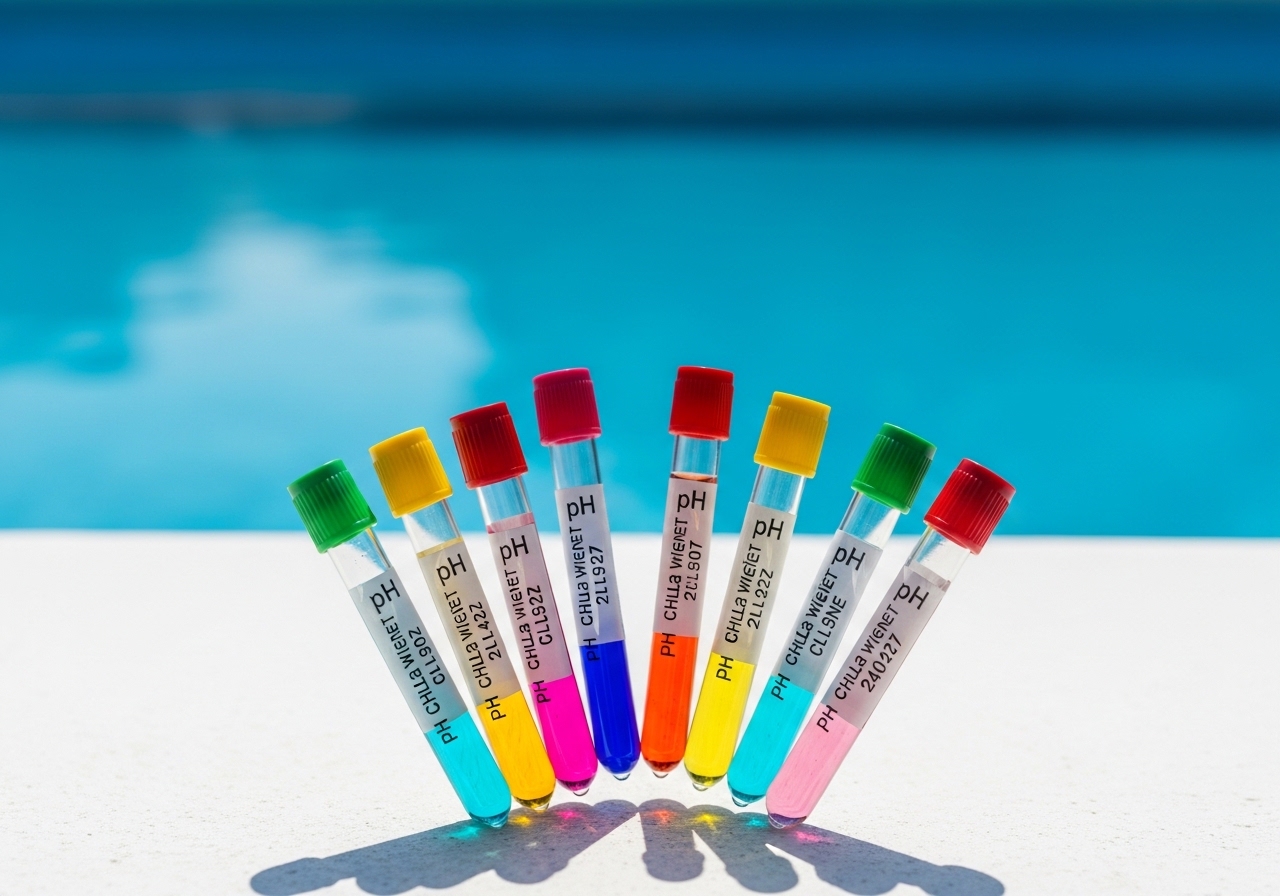
ClingPool's chemical balancing service goes beyond a simple chlorine tablet drop. We test and adjust pH, total alkalinity, calcium hardness, stabilizer levels, and sanitizer concentration using calibrated digital testing equipment.
SERVING CORAL GABLES
- ✓Experienced with estate and custom-shaped pools common throughout Coral Gables
- ✓Specialized cleaning approach for pools surrounded by heavy tropical landscaping
- ✓Serving Coral Gables homeowners with consistent same-technician service since 2011
SERVICE INCLUDES
- ✓Digital testing for pH, chlorine, alkalinity, calcium hardness, and stabilizer
- ✓Precise volume-based chemical dosing to avoid over-treatment
- ✓Shock treatment for cloudy or contaminated water
- ✓Algaecide and clarifier application when needed
COMMON QUESTIONS
How often does pool chemistry need to be tested in Miami?
In Miami's climate, weekly testing is the minimum. During heavy rain season or after large pool parties, we recommend testing within 24 hours to catch chemistry shifts before they escalate.
My pool is saltwater. Can you service it?
Yes. We service both chlorine and saltwater pools. Saltwater pools still require regular chemistry checks including pH, alkalinity, and stabilizer levels.
What causes cloudy pool water even when the chlorine level seems fine?
Cloudy water is usually caused by pH imbalance, high calcium hardness, or elevated phosphates rather than low chlorine. We run a full panel test to find the actual cause.