ALGAE TREATMENT AND REMOVAL IN CORAL GABLES
ClingPool provides professional algae treatment and removal for Coral Gables homeowners and commercial pool operators. Miami's heat and sunlight make algae one of the fastest-growing pool problems in South Florida. Clin.
WHY CORAL GABLES POOL OWNERS CHOOSE CLINGPOOL
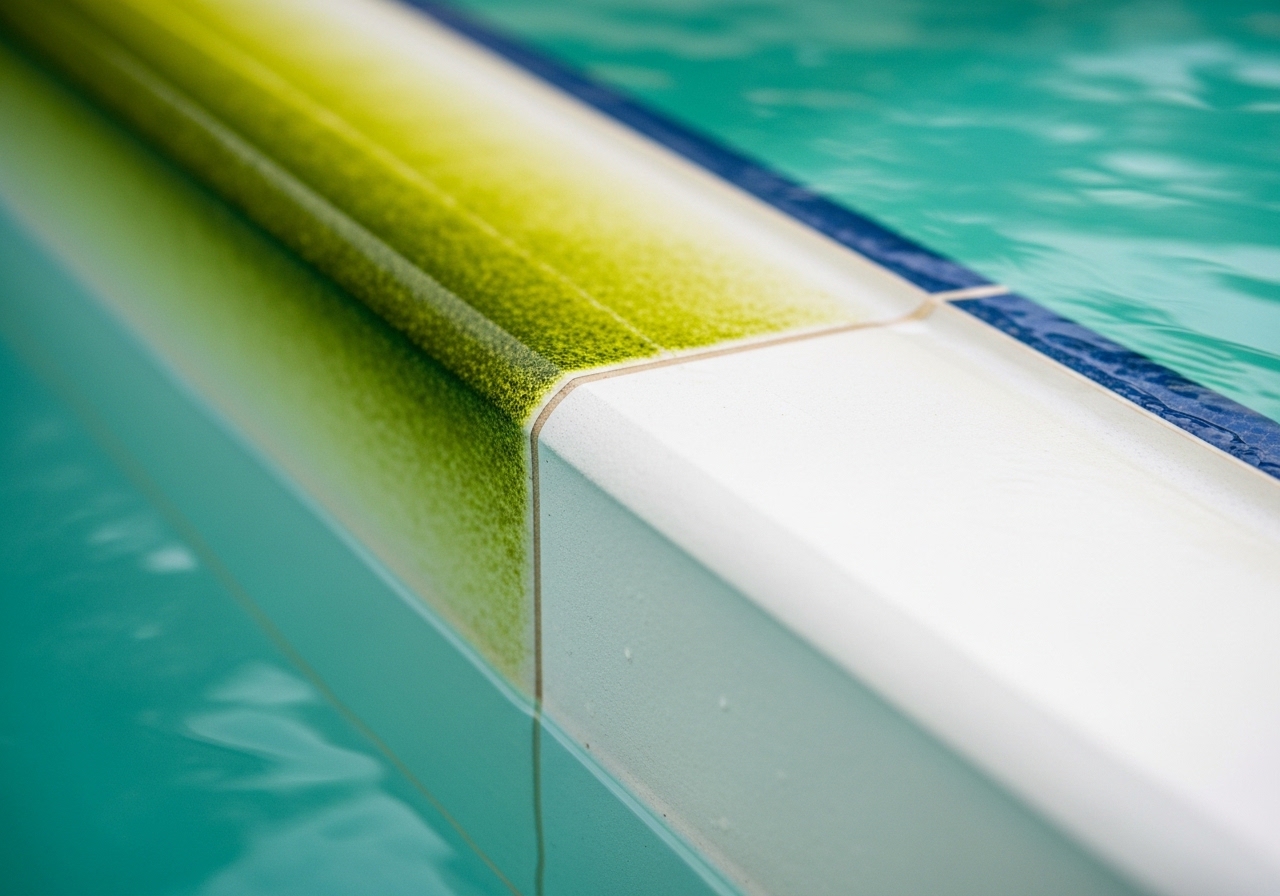
Algae in a Miami pool can go from a light green tint to a fully green, murky pond in less than a week during summer months. The combination of warm water, high humidity, and intense sunlight creates ideal conditions for algae growth.
Coral Gables is home to some of Miami's most beautiful estate pools, many surrounded by mature tropical landscaping. ClingPool serves Coral Gables pool owners with weekly and biweekly maintenance plans tailored to high-debris environments and luxury pool finishes.
ClingPool's algae treatment process starts with identifying the type of algae present, since green, mustard, and black algae each require different chemical approaches. We perform a heavy shock treatment calibrated to your pool volume.
SERVING CORAL GABLES
- ✓Experienced with estate and custom-shaped pools common throughout Coral Gables
- ✓Specialized cleaning approach for pools surrounded by heavy tropical landscaping
- ✓Serving Coral Gables homeowners with consistent same-technician service since 2011
SERVICE INCLUDES
- ✓Identification of algae type before treatment begins
- ✓Volume-calibrated shock and algaecide application
- ✓Full surface brushing of walls, steps, and floor
- ✓Extended filter run with filter media inspection
COMMON QUESTIONS
How long does it take to clear a green pool?
Most green pool treatments show significant improvement within 48 to 72 hours. Heavily contaminated pools or black algae cases may take 5 to 7 days.
Can I swim during the algae treatment?
No. We ask that you keep swimmers out of the pool for at least 24 hours after treatment and until the water is visibly clear and chemistry is back within safe ranges.
Why does my pool keep getting algae even after treatment?
Recurring algae almost always points to an underlying issue such as low stabilizer allowing chlorine to burn off too quickly, poor circulation, or a malfunctioning filter.